

Migration to Microsoft Fabric
Migrate to Microsoft Fabric Without Data Loss
Seamlessly transition from legacy platforms to a unified analytics ecosystem
Migration to Microsoft Fabric enables organizations to move from legacy data systems to a modern, unified platform with minimal disruption. WishMinds ensures structured migration of data, pipelines, and reports while preserving integrity, improving performance, and enabling scalable analytics across your organization.
What is Migration to Microsoft Fabric
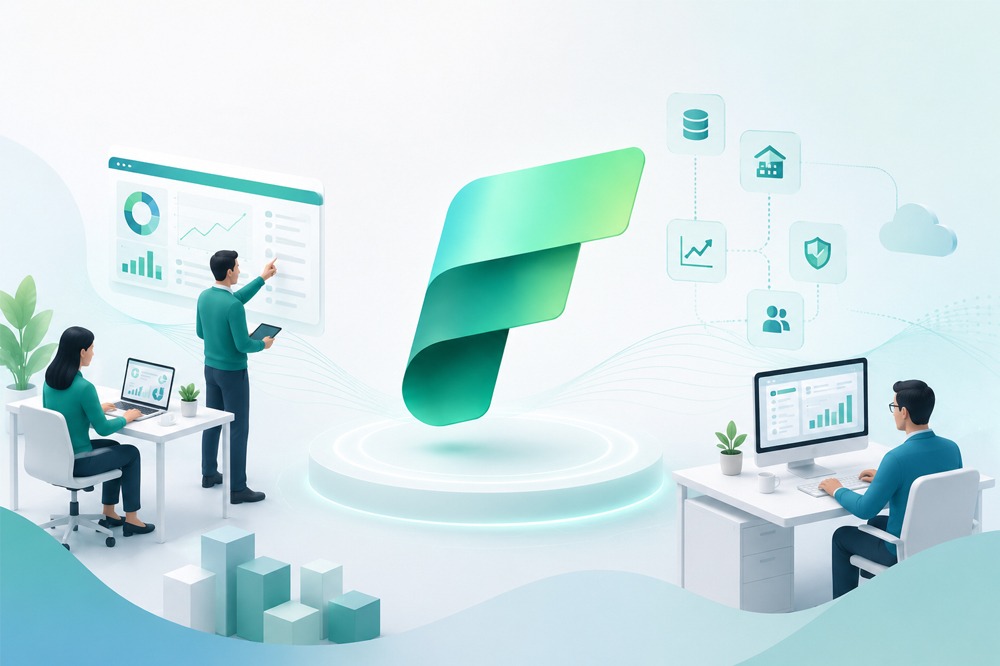
Migration to Microsoft Fabric is the process of transitioning data, pipelines, reports, and analytics workloads from legacy platforms such as Azure Synapse Analytics, traditional data warehouses, or on-premises systems into a unified Fabric environment.
This migration focuses on preserving data integrity while modernizing how data is stored, processed, and analyzed. It includes moving pipelines, transforming datasets, and optimizing reporting structures within Fabric’s integrated ecosystem.
The core challenge this service solves is the complexity and risk associated with moving large-scale data environments. Without a structured approach, organizations face data inconsistencies, downtime, and performance issues. Migration to Microsoft Fabric addresses this by enabling a phased, validated, and performance-optimized transition.
What is Migration to Microsoft Fabric
Migration to Microsoft Fabric is the process of transitioning data, pipelines, reports, and analytics workloads from legacy platforms such as Azure Synapse Analytics, traditional data warehouses, or on-premises systems into a unified Fabric environment.
This migration focuses on preserving data integrity while modernizing how data is stored, processed, and analyzed. It includes moving pipelines, transforming datasets, and optimizing reporting structures within Fabric’s integrated ecosystem.
The core challenge this service solves is the complexity and risk associated with moving large-scale data environments. Without a structured approach, organizations face data inconsistencies, downtime, and performance issues. Migration to Microsoft Fabric addresses this by enabling a phased, validated, and performance-optimized transition.
Key Benefits
And what you get from it
Our process and How it works







Industries We Serve
Use Cases
Tools, Technologies & Platforms
Why choose WishMinds
WishMinds approaches Migration to Microsoft Fabric with a structured, engineering-led methodology designed to minimize risk and maximize performance.
Our team focuses on deeply understanding your existing data ecosystem before executing a carefully planned migration strategy. Every step — from pipeline conversion to report migration — is handled with precision to ensure continuity and accuracy.
We prioritize validation and optimization, ensuring that your data is not only migrated but also enhanced for better performance and usability.
With the ability to handle complex, large-scale migrations across multiple systems, WishMinds delivers a transition that is controlled, measurable, and aligned with your long-term analytics goals.

FAQ
Frequently Asked
Questions
It is the process of moving data, pipelines, and reports from legacy platforms to Microsoft Fabric while maintaining data integrity and improving performance.
Platforms such as Azure Synapse Analytics, traditional data warehouses, and on-premises systems can be migrated.
The timeline depends on data volume and complexity, but a structured approach ensures efficient and phased execution.
No. With proper validation and testing, data accuracy and completeness are preserved throughout the migration process.
Yes. Power BI reports and datasets can be migrated to Fabric-native DirectLake models.
Existing pipelines such as ADF and SSIS are converted into Fabric Data Factory pipelines and dataflows.
It includes inventory analysis of datasets, pipelines, reports, and infrastructure along with risk evaluation.
Automated reconciliation testing is performed to ensure data matches source systems.
Yes. Post-migration optimization improves query performance and data processing efficiency.
Look for a provider with a structured methodology, strong validation processes, and expertise in handling complex data environments.
Move to Microsoft Fabric with Confidence
Transform your data platform with a structured migration approach that ensures accuracy, performance, and scalability. WishMinds delivers controlled, validated migrations tailored to your data ecosystem.
ExploreOur Microsoft Fabric Solutions