



Business Intelligence & Power BI Integration
Transform Fabric data into real-time, actionable business insights
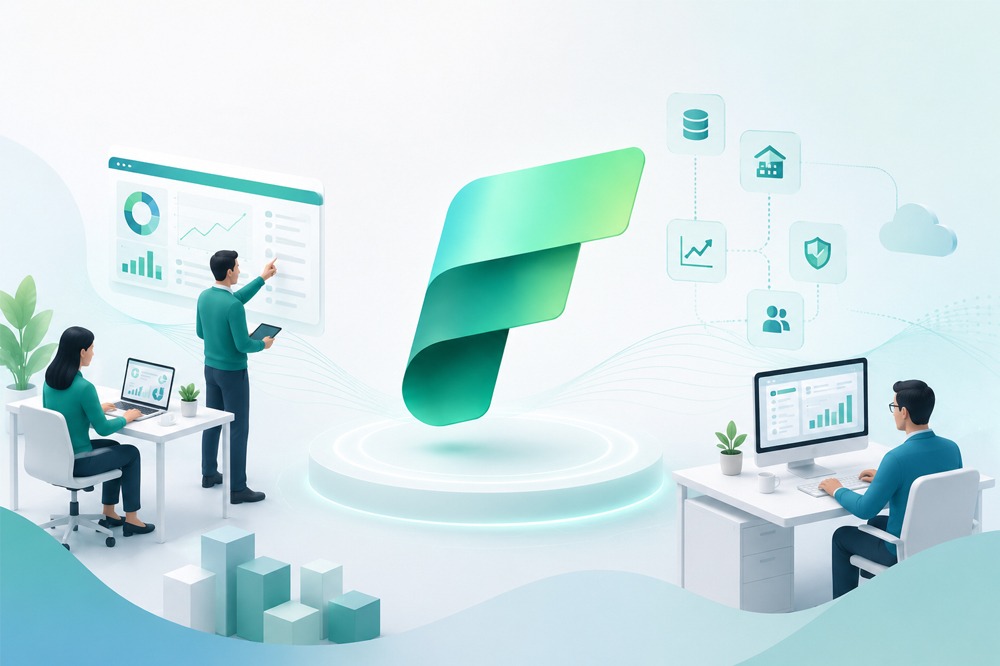
Our Business Intelligence & Power BI Integration services help organizations convert Microsoft Fabric data into meaningful insights through optimized semantic models, interactive dashboards, and governed reporting environments. We enable real-time analytics, secure data access, and scalable self-service BI — empowering teams to make faster, data-driven decisions across the enterprise.
What is Business Intelligence & Power Bi Integration
Business Intelligence & Power BI Integration is the process of transforming Microsoft Fabric data into interactive dashboards, reports, and analytics using Power BI as the native business intelligence layer. It connects directly to Fabric’s OneLake, lakehouses, and data warehouses to create a unified, governed analytics experience.
This service solves the challenge of fragmented reporting and inconsistent insights by building structured semantic models — which act as a single source of truth for business metrics. These models ensure that all users across the organization work with consistent definitions and accurate data.
With capabilities like DirectLake connectivity, real-time visualization, and row-level security, organizations can access insights instantly without complex data movement. The result is faster decision-making, improved visibility, and scalable self-service analytics.
What is Business Intelligence & Power Bi Integration
Business Intelligence & Power BI Integration is the process of transforming Microsoft Fabric data into interactive dashboards, reports, and analytics using Power BI as the native business intelligence layer. It connects directly to Fabric’s OneLake, lakehouses, and data warehouses to create a unified, governed analytics experience.
This service solves the challenge of fragmented reporting and inconsistent insights by building structured semantic models — which act as a single source of truth for business metrics. These models ensure that all users across the organization work with consistent definitions and accurate data.
With capabilities like DirectLake connectivity, real-time visualization, and row-level security, organizations can access insights instantly without complex data movement. The result is faster decision-making, improved visibility, and scalable self-service analytics.
Key Benefits
And what you get from it
Our process and How it works







Industries We Serve
Use Cases
Tools, Technologies & Platforms
Why choose WishMinds
WishMinds delivers Business Intelligence & Power BI Integration with a strong focus on structured data modeling, performance optimization, and governed analytics environments.
Our team specializes in designing semantic models that ensure consistency, scalability, and accuracy across all reporting layers. We follow a systematic approach that aligns business logic with data architecture, enabling reliable insights across departments.
We prioritize performance by leveraging DirectLake and Fabric-native capabilities, ensuring high-speed analytics without unnecessary data movement. Every dashboard and report is built with precision, usability, and long-term scalability in mind.
From initial design to deployment and optimization, WishMinds ensures that every solution is aligned with measurable business outcomes — enabling organizations to fully leverage their data for strategic decision-making.

FAQ
Frequently Asked
Questions
Power BI integration in Microsoft Fabric connects data from OneLake, lakehouses, and warehouses to create dashboards and reports. It provides a unified analytics layer for consistent and real-time insights.
DirectLake allows Power BI to query data directly from OneLake without importing it. This enables high-performance analytics with near in-memory speed.
Through semantic models, Power BI defines standardized metrics and relationships, ensuring all users access consistent and accurate data.
Yes, Power BI supports real-time visualization by connecting to streaming data sources and KQL databases within Microsoft Fabric.
Row-level security (RLS) restricts data access based on user roles, ensuring users only see data relevant to them.
Timelines vary depending on data complexity, but structured implementations typically range from a few weeks to a few months.
Industries such as retail, finance, healthcare, manufacturing, and e-commerce benefit significantly from real-time analytics and reporting.
Power BI integrates directly with Microsoft Fabric, enabling real-time analytics, unified data models, and seamless scalability compared to traditional tools.
Yes, we enable governed self-service environments so business users can create reports while maintaining data control and consistency.
Look for expertise in semantic modeling, real-time analytics, governance, and Fabric-native implementations to ensure scalable and reliable solutions.
Turn Your Data Into Real-Time Business Intelligence
Unlock the full value of your Microsoft Fabric data with optimized Power BI integration. Build scalable dashboards, enable real-time insights, and empower teams with consistent, governed analytics.
ExploreOur Solutions