

Microsoft Fabric IQ Services in USA
Empower businesses across the USA with Microsoft Fabric IQ Services that unify business semantics, improve data understanding, and deliver AI-powered insights. WishMinds helps organizations throughout the United States implement Fabric IQ to create a consistent business knowledge layer, enabling faster decision-making, natural language analytics, and trusted enterprise intelligence.
Create a single, consistent layer for data, metrics, and meaning.
Create a unified business semantics layer with Microsoft Fabric IQ Services in the USA. WishMinds helps businesses across the United States implement Microsoft Fabric IQ to standardize business definitions, metrics, and relationships, enabling AI-ready data models, consistent reporting, and intelligent decision-making across the Microsoft Fabric ecosystem.
What is Microsoft Fabric IQ - Unified Business Semantics
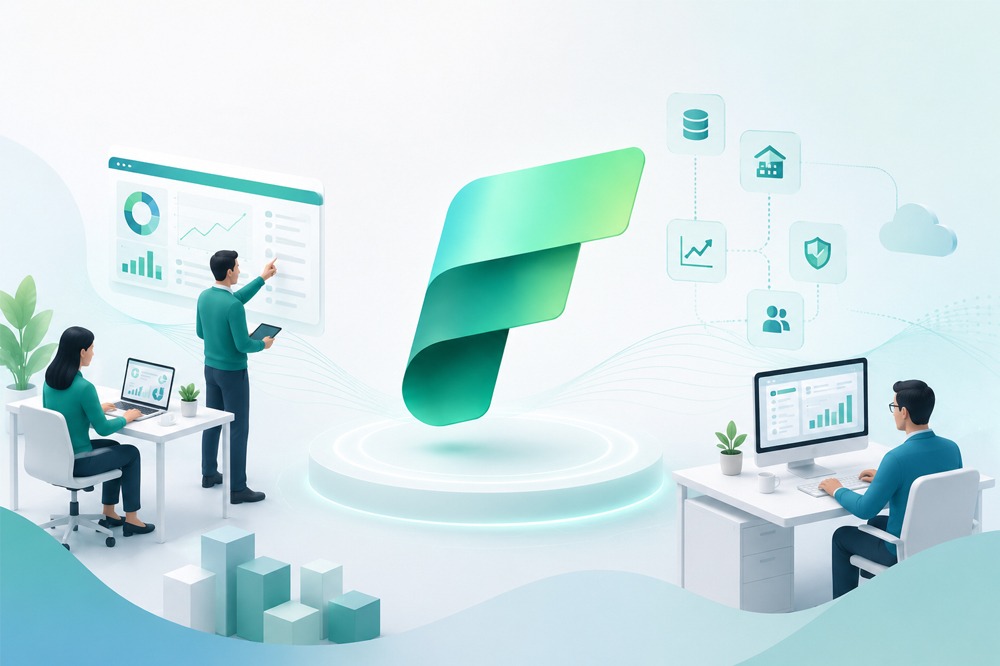
Microsoft Fabric IQ Services in the USA help organizations create a centralized semantic layer that unifies business definitions, metrics, and relationships across data sources, models, and analytics platforms. Built on Microsoft Fabric, Fabric IQ introduces an ontology-driven framework that enables consistent business understanding throughout the enterprise.
For businesses across the United States, Fabric IQ integrates seamlessly with OneLake and existing Power BI semantic models, creating a shared business vocabulary that eliminates inconsistencies between departments. By connecting business concepts, metrics, and data assets through a structured knowledge graph, organizations can improve reporting accuracy, accelerate AI adoption, and enable context-aware automation.
With Microsoft Fabric IQ, USA organizations establish a trusted semantic foundation that enhances collaboration, simplifies governance, and ensures every report, dashboard, and AI model operates using the same standardized business definitions.
What is Microsoft Fabric IQ - Unified Business Semantics
Microsoft Fabric IQ Services in the USA help organizations create a centralized semantic layer that unifies business definitions, metrics, and relationships across data sources, models, and analytics platforms. Built on Microsoft Fabric, Fabric IQ introduces an ontology-driven framework that enables consistent business understanding throughout the enterprise.
For businesses across the United States, Fabric IQ integrates seamlessly with OneLake and existing Power BI semantic models, creating a shared business vocabulary that eliminates inconsistencies between departments. By connecting business concepts, metrics, and data assets through a structured knowledge graph, organizations can improve reporting accuracy, accelerate AI adoption, and enable context-aware automation.
With Microsoft Fabric IQ, USA organizations establish a trusted semantic foundation that enhances collaboration, simplifies governance, and ensures every report, dashboard, and AI model operates using the same standardized business definitions.
Key Benefits
And what you get from it
Our process and How it works







Industries We Serve
Use Cases
Tools, Technologies & Platforms
Why choose WishMinds
WishMinds delivers Microsoft Fabric IQ Services in the USA with a structured, governance-first approach that creates a unified business semantics layer across your enterprise. We help businesses across the United States standardize business definitions, KPIs, and relationships to ensure consistent analytics, trusted reporting, and AI-ready data models.
Our approach focuses on:
- Deep expertise in Microsoft Fabric IQ, semantic modeling, and ontology design
- Standardized business metrics and reusable KPI definitions across the organization
- Seamless integration with OneLake, Power BI semantic models, and Microsoft Fabric workloads
- Strong governance frameworks that improve data consistency, quality, and compliance
- Scalable semantic architectures designed for complex enterprise environments across the USA
For organizations throughout the United States, WishMinds builds intelligent semantic foundations that do more than organize data. Our Microsoft Fabric IQ implementations enable trusted analytics, AI-powered automation, and enterprise-wide collaboration by ensuring every report, dashboard, and AI solution operates from a single, consistent understanding of your business.

FAQ
Frequently Asked
Questions
Microsoft Fabric IQ is a Microsoft Fabric capability that unifies business semantics across data, models, and systems using an ontology-driven framework. It creates a centralized semantic layer that improves data consistency, governance, and AI readiness.
A business ontology is a structured framework that defines business concepts, relationships, metrics, and rules. It ensures everyone across the organization uses the same business language and definitions.
Fabric IQ standardizes business definitions, KPIs, and relationships across data sources, semantic models, and reports, eliminating conflicting interpretations and improving reporting accuracy.
A semantic layer is a business-friendly abstraction that sits between raw data and analytics tools. It provides standardized definitions, metrics, and business logic so users can access consistent insights without understanding complex data structures.
Microsoft Fabric IQ integrates directly with OneLake and Power BI semantic models, enabling consistent business metrics, reusable definitions, and trusted reporting across dashboards and analytics.
A labeled property graph is a graph-based data model that represents business entities, relationships, and attributes. Fabric IQ uses this structure to organize business knowledge and enable context-aware AI and analytics.
Yes. By providing standardized business semantics and contextual relationships, Fabric IQ enables AI applications, Microsoft Copilot, and intelligent automation to generate more accurate and meaningful insights.
Fabric IQ is ideal for enterprises that need consistent business definitions across departments, improved data governance, AI-ready semantic models, and trusted analytics for business decision-making.
Implementation timelines depend on the complexity of your business processes, semantic models, and governance requirements. Most projects follow a structured assessment, design, integration, and optimization approach.
Semantic unification ensures that every department, report, dashboard, and AI application uses the same business definitions and metrics. This improves collaboration, reduces reporting inconsistencies, strengthens governance, and enables confident, data-driven decision-making across the organization.
Bring Consistency to Your Data and Decisions
Unify business semantics with Microsoft Fabric IQ Services in the USA. WishMinds helps businesses across the United States eliminate conflicting metrics, standardize business definitions, and build AI-ready semantic models that create a single source of truth for consistent reporting, intelligent automation, and data-driven decision-making.
ExploreOur Microsoft Fabric Solutions