

Migration to Microsoft Fabric Services in USA
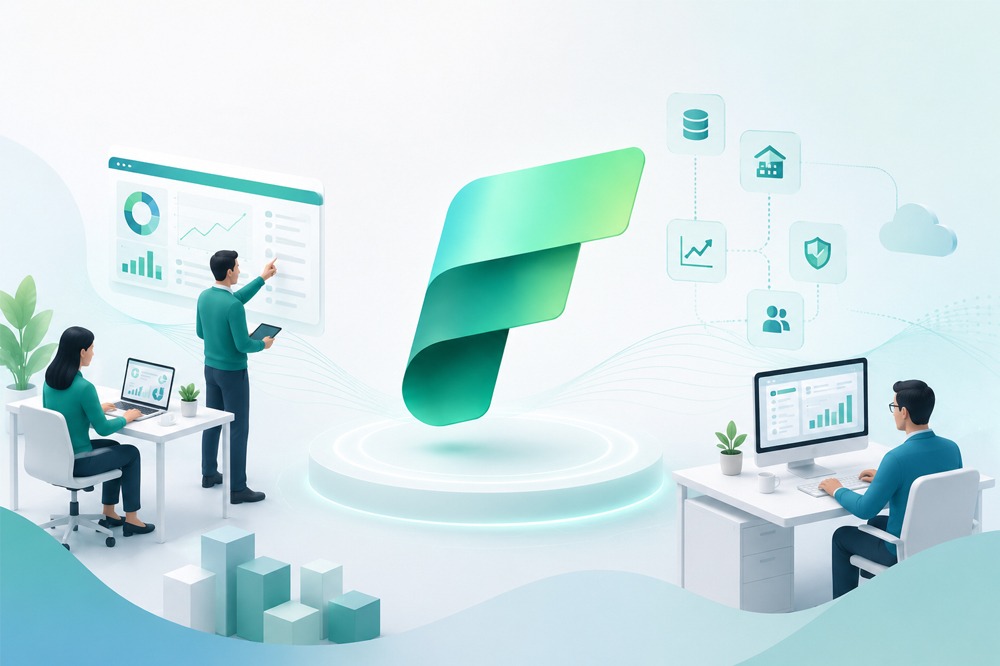
Seamlessly migrate your data, analytics, and reporting workloads to Microsoft Fabric with minimal disruption. WishMinds helps organizations across the USA modernize legacy platforms through secure, structured migration strategies that preserve data integrity, optimize performance, and accelerate business value.
Seamlessly transition from legacy platforms to a unified analytics ecosystem
Migration to Microsoft Fabric helps organizations across the USA transition from legacy data platforms to a modern, unified analytics environment with minimal business disruption. WishMinds delivers structured migration services that securely move data, pipelines, reports, and analytics workloads while preserving data integrity, optimizing performance, and enabling scalable analytics across organizations throughout the United States.
What is Migration to Microsoft Fabric
Migration to Microsoft Fabric is the process of moving data, analytics workloads, ETL pipelines, reports, and business intelligence solutions from legacy platforms—including Azure Synapse Analytics, SQL Server, traditional data warehouses, and on-premises environments—into a unified Microsoft Fabric ecosystem. For businesses across the USA, this migration creates a modern data foundation that simplifies analytics and improves operational efficiency.
A successful migration involves more than simply transferring data. It includes workload assessment, architecture modernization, pipeline migration, data validation, report optimization, and performance tuning to ensure every component functions seamlessly within Microsoft Fabric. Organizations throughout the United States benefit from a phased migration strategy that minimizes downtime while maximizing long-term scalability.
Without a structured migration plan, enterprises often encounter data inconsistencies, broken pipelines, reporting issues, and prolonged outages. WishMinds helps businesses across the USA reduce migration risks through validated methodologies, ensuring a secure, accurate, and performance-optimized transition to Microsoft Fabric.
What is Migration to Microsoft Fabric
Migration to Microsoft Fabric is the process of moving data, analytics workloads, ETL pipelines, reports, and business intelligence solutions from legacy platforms—including Azure Synapse Analytics, SQL Server, traditional data warehouses, and on-premises environments—into a unified Microsoft Fabric ecosystem. For businesses across the USA, this migration creates a modern data foundation that simplifies analytics and improves operational efficiency.
A successful migration involves more than simply transferring data. It includes workload assessment, architecture modernization, pipeline migration, data validation, report optimization, and performance tuning to ensure every component functions seamlessly within Microsoft Fabric. Organizations throughout the United States benefit from a phased migration strategy that minimizes downtime while maximizing long-term scalability.
Without a structured migration plan, enterprises often encounter data inconsistencies, broken pipelines, reporting issues, and prolonged outages. WishMinds helps businesses across the USA reduce migration risks through validated methodologies, ensuring a secure, accurate, and performance-optimized transition to Microsoft Fabric.
Key Benefits
And what you get from it
Our process and How it works







Industries We Serve
Use Cases
Tools, Technologies & Platforms
Why choose WishMinds
WishMinds helps organizations across the USA migrate to Microsoft Fabric through a structured, engineering-led approach that minimizes risk while maximizing performance and business continuity. We carefully assess your existing data ecosystem to develop a migration strategy that ensures organizations throughout the United States transition confidently to a modern analytics platform.
Our migration specialists handle every stage of the journey—from data warehouse modernization and pipeline conversion to report migration and validation—with precision and proven best practices. By preserving data integrity, optimizing workloads, and minimizing downtime, we ensure your migration delivers measurable business value without disrupting daily operations.
With deep expertise in Microsoft Fabric, OneLake, Power BI, and enterprise data modernization, WishMinds delivers scalable migration solutions tailored to your business objectives. We help organizations across the USA build a future-ready analytics foundation that improves performance, governance, and long-term scalability.

FAQ
Frequently Asked
Questions
Migration to Microsoft Fabric is the process of moving data, pipelines, reports, and analytics workloads from legacy platforms into Microsoft Fabric while preserving data integrity, improving performance, and enabling a unified analytics environment.
Organizations can migrate from platforms such as Azure Synapse Analytics, SQL Server, Azure Data Factory, SSIS, traditional data warehouses, on-premises databases, and other enterprise analytics solutions.
Migration timelines depend on the size, complexity, and number of workloads involved. Most projects are completed through a phased migration approach to minimize business disruption.
A structured migration process includes data validation, reconciliation, and testing to ensure data integrity is maintained and the risk of data loss is minimized.
Yes. Power BI reports, semantic models, and datasets can be migrated and optimized to leverage Microsoft Fabric's native capabilities for improved performance and governance.
Existing ETL pipelines, Azure Data Factory pipelines, SSIS packages, and Dataflows are assessed, converted, and optimized into Microsoft Fabric-native Data Factory pipelines and Dataflows Gen2.
A migration assessment evaluates your current data architecture, databases, pipelines, reports, dependencies, security, performance, and migration readiness to develop a structured migration strategy.
Data accuracy is validated through automated reconciliation, testing, data quality checks, and performance verification to ensure migrated workloads match the original environment.
Yes. Microsoft Fabric enables optimized storage, improved query performance, scalable compute, unified analytics, and modern data architecture that enhance overall system performance.
Choose a partner with proven expertise in Microsoft Fabric, data modernization, migration planning, workload optimization, validation methodologies, and enterprise-scale analytics implementations.
Move to Microsoft Fabric with Confidence
Transform your legacy data platforms into a unified Microsoft Fabric environment with a structured migration strategy. WishMinds helps organizations across the USA deliver secure, validated migrations that preserve data integrity, optimize performance, and build a scalable foundation for future-ready analytics.
ExploreOur Microsoft Fabric Solutions